Radon mitigation York PA homes receive is a system that pulls radon gas from the soil under a house and vents the gas above the roofline before it reaches living space. Fall is the best season to find out whether a home needs that system. Furnaces start, windows close, and radon levels in York County basements climb toward their highest point of the year. A fall radon test shows the real exposure a family faces through the winter.
This guide covers 4 topics in order. The first topic is why radon runs high in York County and why levels rise in the heating season. The second topic is how to set up a fall radon test and read the result in picocuries per liter (pCi/L). The third topic is how radon testing and mitigation works, including the 5 main parts of an active sub-slab depressurization (ASD) system. The fourth topic is how to check an existing radon reduction system before winter. The 3 main benefits of fall testing are a more accurate result, time to install a system before the coldest months, and a verified low level for a spring home sale.
What Is Radon and Why Is York County at Risk?
Radon is a colorless, odorless radioactive gas that forms when uranium in soil and rock breaks down. Radon is monatomic, which means the gas moves as single atoms and passes through soil, concrete cracks and hollow block walls with ease. The Environmental Protection Agency (EPA), the Centers for Disease Control and Prevention (CDC) and the American Cancer Society all rank radon as the second leading cause of lung cancer in the United States, after smoking. The EPA estimates radon causes about 21,000 lung cancer deaths each year. Radon is the leading cause of lung cancer among people who have never smoked.
York County sits in EPA Zone 1, the highest radon potential category on the EPA map of radon zones (opens in a new tab). Most people link radioactive exposure with uranium mines and nuclear power plants. In York Pennsylvania, the source is the ground under a home.
York County has 4 geologic features that drive radon into homes:
- Piedmont geology covers most of the county, with uranium-bearing rock and the soil weathered from that rock.
- The Peach Bottom Formation is a slate belt in southeastern York County with fractured bedrock that opens paths for soil gas.
- The Gettysburg basin edge in northern York County holds Triassic red shale and sandstone.
- Folded Appalachian structures along the Susquehanna River create cracks and faults that move gas toward the surface.
Two homes on the same York street post different radon numbers. Our guide to radon levels in York County covers local averages in detail. A test is the only way to know the level inside one specific house.
Why Do Radon Levels Rise in Fall and Winter?
Radon levels rise in fall and winter for 3 main reasons: a stronger stack effect, closed windows and doors, and frozen or saturated ground.
The Stack Effect Gets Stronger
The stack effect pulls more soil gas into a house when indoor air is warmer than outdoor air. Heated air rises and leaks out through the attic and upper floors. Replacement air enters at the lowest level, where the foundation meets the soil. That replacement air carries radon through slab cracks, open sump pits and hollow block walls. A 40°F (22°C) gap between indoor and outdoor air creates a stronger pull than a 10°F (6°C) gap.
Windows and Doors Stay Shut
Closed windows stop outdoor air from diluting indoor radon. Radon that enters a basement in October has fewer ways to leave than radon that enters in June.
Frozen or Saturated Ground Blocks the Escape Path
Frozen or rain-soaked topsoil traps radon below the surface. The dry gravel under a heated basement slab becomes the easiest exit, and more gas moves toward the house.
Is Fall the Best Time to Test for Radon in York?
Yes, fall is the best time to test for radon in York, since closed-house conditions are already part of daily life and the result reflects heating-season exposure. The EPA asks for closed-house conditions during any short-term test under 4 days. Exterior windows and doors stay shut for 12 hours before the test and for the full test period, apart from normal entry and exit.
A heating-season result lands near the high end of the yearly range. A fall result below 4.0 pCi/L (148 becquerels per cubic meter, or Bq/m³) shows the house stays under the action level in the hardest season. A fall result above 4.0 pCi/L (148 Bq/m³) catches the problem before the months of highest exposure.
Which Radon Test Should York Homeowners Use in Fall?
York homeowners use 2 types of radon tests in fall: short-term tests and long-term tests.
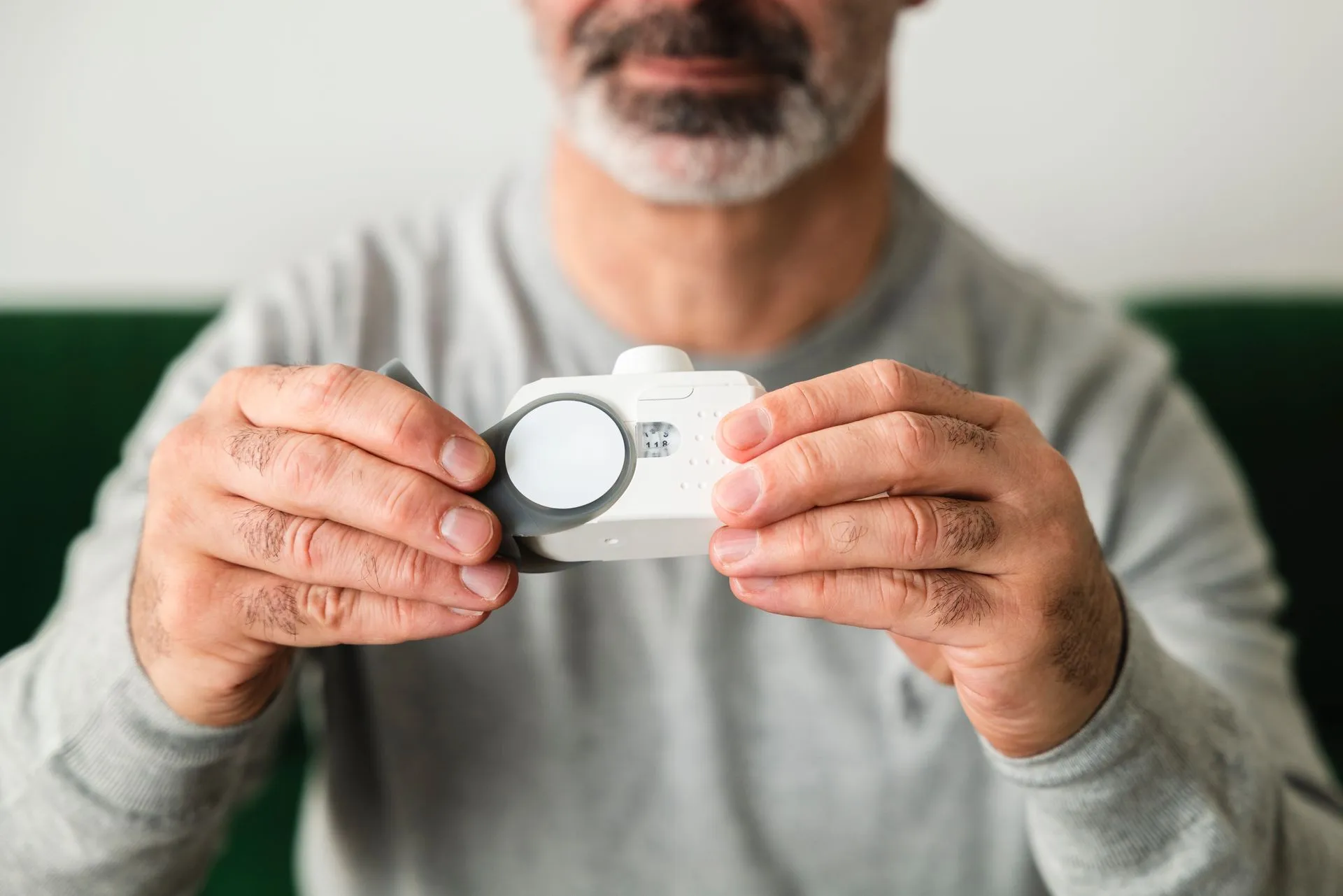
- Short-term tests run from 2 to 90 days, with most lasting 48 hours to 7 days. A radon test kit from a York hardware store, such as an Air Chek charcoal kit, gives a quick first reading. A professional continuous monitor records a reading every hour and flags tampering.
- Long-term tests run more than 90 days. A long-term test started in October and pulled in January gives a strong estimate of heating-season exposure.
Start with a short-term test, if the home has never been tested. Run a second short-term test or a long-term test, if the first result lands between 3.0 and 5.0 pCi/L (111 to 185 Bq/m³). Hire a PA DEP-certified tester for a professional radon test for a real estate deal or for hourly data.
How to Set Up a Fall Radon Test in York
To set up a fall radon test in York, follow 8 steps:
- Choose the lowest lived-in level. A finished basement counts. A storage-only basement means the test goes on the first floor.
- Pick a quiet room. Kitchens, bathrooms, laundry rooms and closets throw off readings with humidity and exhaust fans.
- Place the device 20 inches (51 cm) off the floor. Keep the device 3 feet (0.9 m) from doors and windows and 1 foot (30 cm) from exterior walls.
- Close the house for 12 hours first. Keep exterior windows and doors shut through the whole test.
- Run the furnace as normal. Skip whole-house fans and fireplaces, unless those are the normal heat source.
- Check the forecast. Postpone a short-term test, if severe storms or high winds are expected.
- Leave the device alone. Tell every person in the house not to move, cover or unplug the device.
- Mail the kit the same day. Write the start and end times on the lab form.
What Does Your Fall Radon Result Mean?
A fall radon result falls into 1 of 3 EPA ranges:
- 4.0 pCi/L (148 Bq/m³) or higher: The EPA recommends a radon mitigation system.
- 2.0 to 3.9 pCi/L (74 to 144 Bq/m³): The EPA recommends considering a system, since no level of radon is known to be safe.
- Below 2.0 pCi/L (74 Bq/m³): Retest every 2 years and after major renovations.
High levels of radon are common in York County. High levels of radon are fixable in 1 day in most homes.
Does Waterborne Radon Matter in York Homes?
Yes, waterborne radon matters in York homes that draw water from a private well. Radon dissolves in groundwater and escapes into indoor air during showers, laundry and dishwashing. Public water systems treat and aerate water before delivery, so waterborne radon is a smaller concern for city water users. Airborne radon from soil remains the main source in both cases. Well owners in York County test both air and water.
How Does Radon Mitigation Work in York PA Homes?
Radon mitigation in York works by creating negative pressure under the foundation, so soil gas flows into a pipe instead of into the house. Most York homes receive active sub-slab depressurization. An active sub-slab depressurization system has 5 main parts:
- Suction pit: A small hole cut through the slab with gravel and soil removed below.
- Radon pipe: Sealed polyvinyl chloride (PVC) pipe running from the suction pit to above the roofline.
- Radon fan: An exterior inline fan, such as a RadonAway model, that creates vacuum suction under the slab.
- Manometer: A U-shaped gauge on the pipe showing the system holds suction.
- Sealant: Urethane caulk on slab cracks, the floor-wall joint and the sump lid.
York homes with other foundations use 4 related methods: sub-membrane depressurization for crawl spaces with a vapor barrier, drain tile depressurization, block wall depressurization and sump pit depressurization. The sub-slab mitigation guide explains each step. Radon mitigation cost in York runs $875 to $2,200, and most radon system installations finish in 1 day.
Why Install a Radon Mitigation System Before Winter?
There are 4 main reasons to install a radon mitigation system before winter in York:
- Mild weather keeps exterior pipe runs and roofline discharge work safe and simple.
- Peak months of December, January and February are covered from the first day.
- Verification testing after 24 hours of fan operation checks the system under heating-season conditions.
- Spring home sales go smoother with a working system and a recent low result on file.
Homes with finished basements, crawl spaces or fieldstone walls need extra sealing and membrane work. The basement radon mitigation page covers those options.
How to Check an Existing Radon System in Fall
To check an existing radon system in fall, complete 5 checks:
- Read the manometer. Uneven liquid levels show the fan holds suction. Level liquid on both sides points to a stopped fan.
- Listen to the fan. A steady low hum is normal. Grinding, rattling or silence signals wear.
- Inspect the sump lid and seals. Lids stay airtight, and caulked cracks stay closed.
- Trace the pipe. Look for cracks, loose joints and sections knocked out of place.
- Check the circuit breaker. A tripped breaker or switched-off disconnect stops the fan.
A dead fan calls for radon fan replacement by our PA DEP-certified crew. Cracked pipe, failed seals or a sounding alarm call for radon system repair by our certified crew. Retest a mitigated home every 2 years.
Frequently Asked Questions
Is a fall radon result higher than a summer result?
Yes, a fall radon result is higher than a summer result in most York homes, since the stack effect and closed windows push indoor levels up. A small share of homes show the opposite pattern. One test is a starting point, not a final verdict.
Is a do-it-yourself radon test kit accurate enough?
Yes, a do-it-yourself radon test kit from a certified lab is accurate enough for a first screen. A professional continuous monitor is the better choice for home sales. Pennsylvania requires every person who tests or mitigates radon for others to hold Department of Environmental Protection (DEP) certification.
Where can York homeowners find certified radon professionals?
York homeowners find certified radon professionals in the PA DEP Radon Services Directory (opens in a new tab). The PA DEP radon hotline is 1-800-23-RADON. Radon Mitigation York is a PA DEP-certified radon mitigation firm serving York homeowners. Ask any mitigator for their DEP certification number before work starts.
Test This Fall and Fix High Radon Before Winter
Radon mitigation York PA homes receive works best when the problem is found in fall. York County sits in EPA Zone 1 on Piedmont geology and the Peach Bottom Formation. The heating season raises indoor radon through the stack effect, closed windows and frozen ground. A fall radon test under closed-house conditions shows the real exposure. An active sub-slab depressurization system with a suction pit, radon pipe, radon fan, manometer and sealant lowers high levels of radon in 1 day. Every home in York Pennsylvania should be tested for radon each fall or every 2 years.
Book a free estimate with our certified York crew this fall. Share your ZIP code and test result, and our PA DEP-certified radon team will call to discuss mitigation, a check of an existing system or an installation before winter. Learn more about radon mitigation in York from the first test to the final result.
- #radon testing York PA
- #radon mitigation York PA winter
- #fall radon test
- #closed-house conditions