Radon is a colorless, odorless radioactive gas that forms naturally when uranium in soil and rock breaks down. It moves up through the ground and into buildings, where it can build up to levels that matter for long-term health. Pennsylvania is well known for high indoor radon, and York County homeowners have good reason to pay attention.
Why York County Has a Radon Concern
The EPA groups counties into three radon zones based on geology, soil and indoor measurements. York County is in Zone 1, the category with the highest predicted indoor radon potential. The county’s Piedmont bedrock, schist, phyllite and limestone valleys, and the soils formed from them, can all release radon.
Zone 1 does not mean every house is high. Radon depends on what is directly under and around each foundation, how tightly the house is built, and how air moves inside it. Two homes on the same York street can test very differently, which is why the EPA recommends testing every home.
How Radon Gets Into a York Home
Houses tend to pull air from the soil, especially in cold weather when warm air rises and escapes through the upper floors. That creates slight suction at the foundation. Common entry points include:
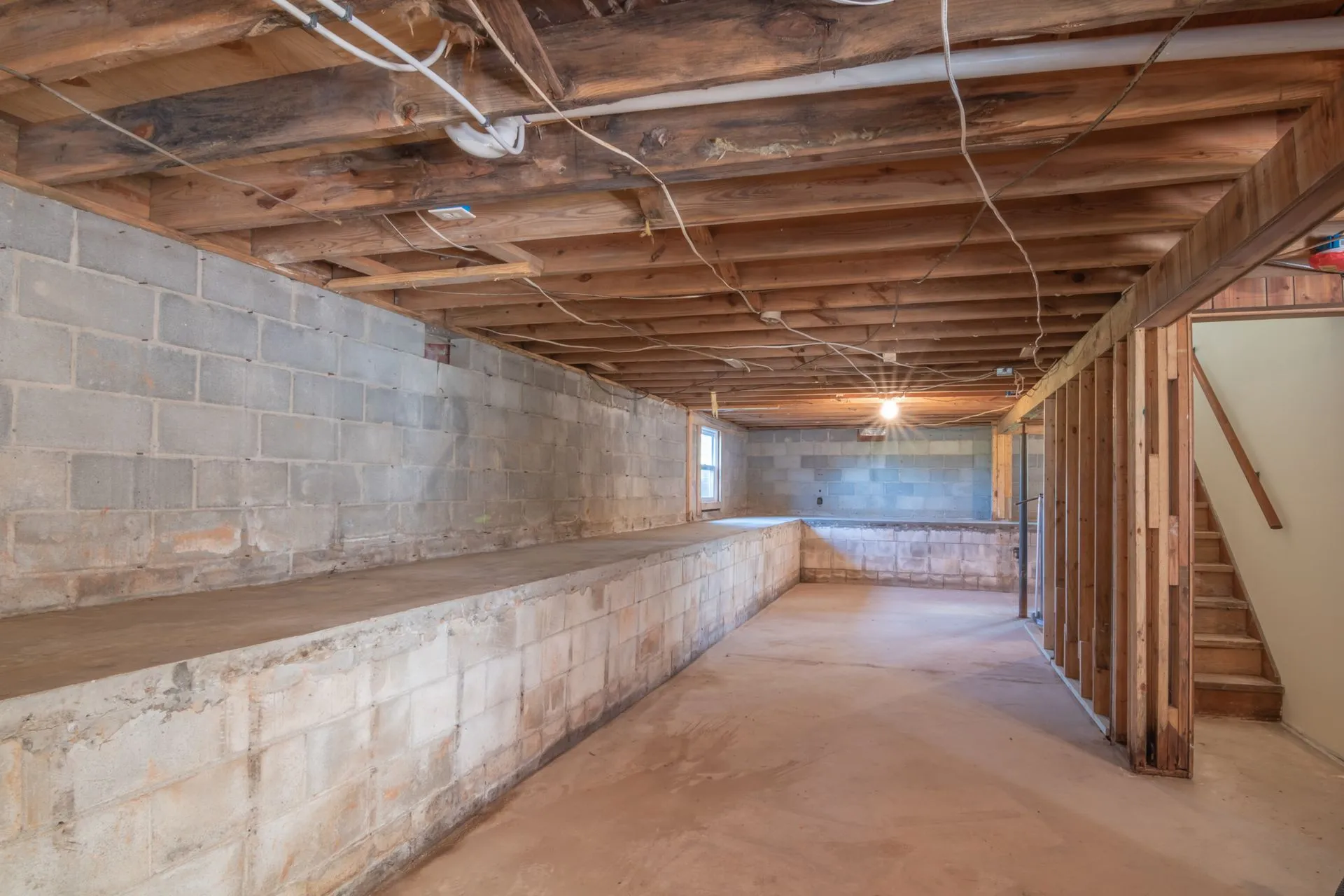
- Cracks in the basement slab and gaps at the floor-wall joint.
- Open or loosely covered sump pits connected to perimeter drain tile.
- Hollow cores in concrete block foundation walls.
- Fieldstone and rubble walls in older city homes.
- Gaps around plumbing, electrical and utility penetrations.
- Dirt or gravel crawl spaces without a sealed membrane.
What Your Radon Number Means
Radon in air is measured in picocuries per liter, written as pCi/L. The EPA uses these reference points:
- 4.0 pCi/L or higher: the EPA recommends fixing the home with a radon mitigation system.
- 2.0 to 4.0 pCi/L: the EPA suggests considering mitigation, because there is no known safe level of radon.
- Below 2.0 pCi/L: a good result, but retest periodically and after major changes to the house.
For context, the EPA estimates the average indoor radon level in the United States at about 1.3 pCi/L. The EPA guide to the health risk of radon explains why long-term exposure is linked to lung cancer, and the Pennsylvania DEP Radon Division provides state guidance and certification information.
When to Test in York
Test if you have never tested, if you are buying or selling, if you are finishing a basement, or if it has been two years since your last test in a home with a radon system. A professional radon testing visit uses a continuous monitor for at least 48 hours under closed-house conditions and gives you hourly data.
What Happens If Your Level Is High
The most effective and widely used fix is active soil depressurization. A radon mitigation system installation places a suction point below the slab, connects it to sealed pipe and an inline radon fan, and vents radon above the roofline. Homes with sump pits or finished lower levels often need basement radon mitigation with a sealed sump cover.
After installation, a post-mitigation test confirms the new level. From there, check the system manometer monthly and retest at least every two years. If a retest creeps up, a radon system repair visit can find the cause.
For a full overview of local services, visit the RM York home page.
- #radon levels
- #York County
- #radon testing
- #RM York