Dead or Silent Fans
No hum, no vibration and a level manometer mean the fan has stopped. Radon is no longer being pulled from below the slab.
Radon fan replacement for existing systems
Radon Fan Not Working · Noisy Radon Fan · Radon Fan Upgrade
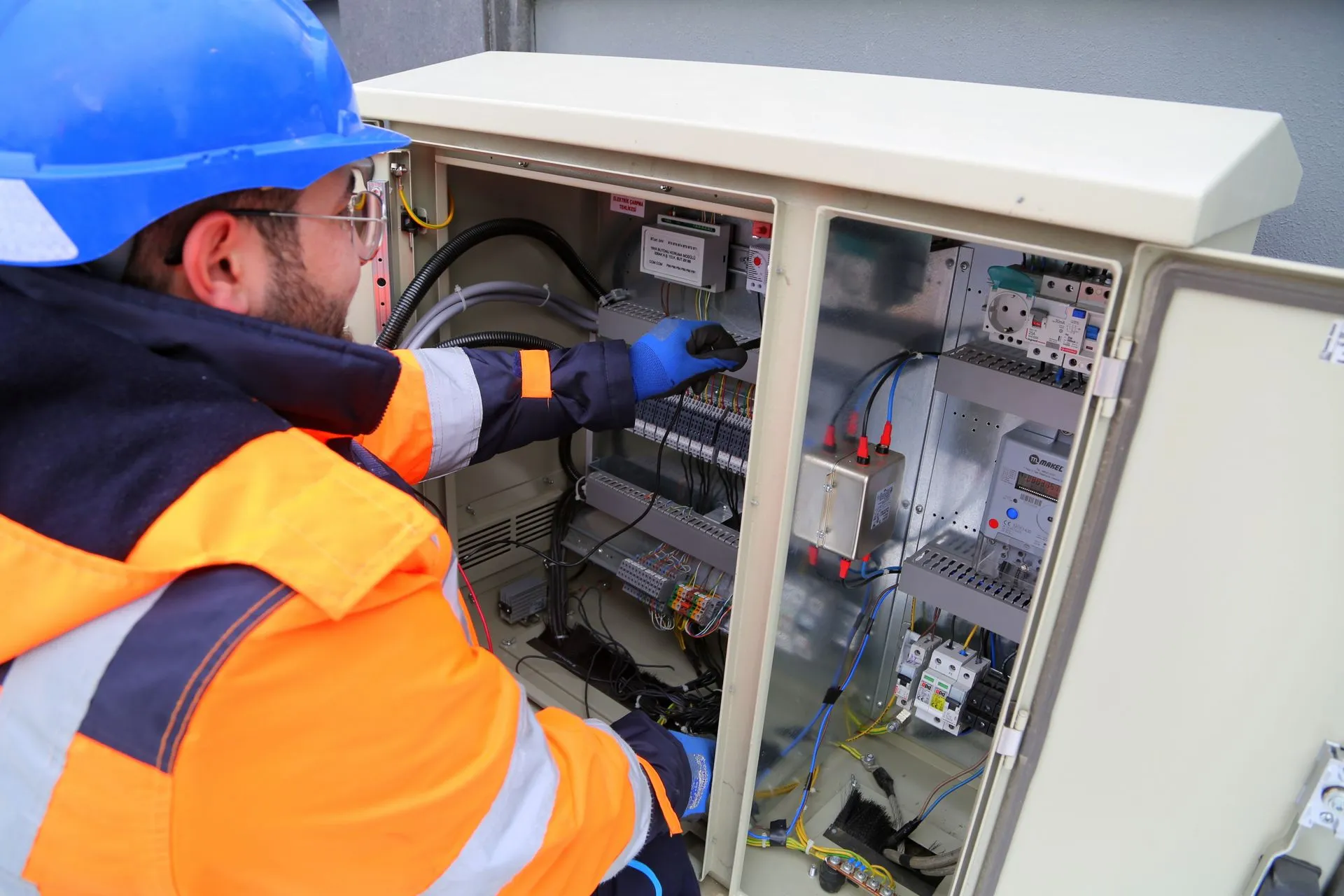
Radon fan replacement in York, PA gets a failed radon mitigation system working again. Radon fans run 24 hours a day, every day, and eventually their bearings and motors wear out. When the fan stops, suction stops, and radon can climb back toward its original level. We remove the old fan, install a correctly sized replacement with new couplings, and confirm suction with the manometer before we leave.
Free estimateStandards-based installationPost-mitigation test
4.0
pCi/L EPA action level
fix homes at or above this level
1 Day
Typical installation
for most York homes
14
Nearby communities
plus every York neighborhood
PA DEP certified radon mitigation
Who you are calling
A radon fan is the heart of an active radon mitigation system. Many run for years, often 5 to 10 or more, but continuous duty in summer heat and winter cold eventually takes a toll. A replacement is only a good fix if the new fan matches the suction and airflow your system actually needs.
We check the original fan model, the pipe size and the manometer reading, and look for other problems like cracked pipe, loose couplings or water in the line. Then we install a fan that fits the system, not just the first one on the truck, and verify the suction once it is running.
When to call
Radon cannot be seen or smelled, so the clues are in your test results, your system and your foundation. Note your latest radon number and when the test was taken.
 (717) 275-0074
 When the liquid on both sides of the U-tube manometer is even, the fan is not creating suction. This is the most common sign of a failed radon fan.
Put your hand on the fan housing. A working radon fan has a steady hum and slight vibration. Silence with the power on usually means the motor has failed.
New noises from the attic, garage or exterior wall often mean the bearings are wearing out. Failure is usually close behind.
If a follow-up radon test is above 4.0 pCi/L in a home with a system, the fan may be weak, undersized or not running full time.
The right method for the home
Some fans fail suddenly. Others slowly lose performance. Both mean your radon level may be rising.
No hum, no vibration and a level manometer mean the fan has stopped. Radon is no longer being pulled from below the slab.
Rattling, grinding or a loud whine usually points to worn bearings, a fan near the end of its life, or a loose mount.
If a radon retest is still high, the original fan may not produce enough suction for your foundation and may need an upgrade.
What you get
Every job includes all of the following. Nothing here is an extra added on once we are already at your home.
We confirm the fan is the problem by checking power, the disconnect, the manometer and the pipe before recommending a new fan.
A new radon-rated fan sized for your system, mounted outside the living space with vibration-dampening couplings.
Worn rubber couplings, clamps and pipe seals are replaced so the new fan is not pulling air through leaks.
We reset and read the U-tube manometer, update the system label, and show you what a normal reading looks like.
How the job runs
Every Radon Fan Replacement York PA job follows a home-specific plan, from the first radon number to the verified result.
We confirm power, the disconnect switch, manometer reading and pipe condition to be sure the fan is the problem.
We identify the original fan and select a replacement that meets the suction and airflow your foundation needs.
The old fan is removed, the new fan is installed with fresh couplings and clamps, and the connections are sealed.
We restart the system, read the manometer, update the label and recommend a follow-up radon test.
RM York · Local radon specialists
Tell us what the manometer shows and whether the fan is silent or noisy. A photo of the fan label helps us bring the right replacement.
Upfront pricing
Typical pricing for replacing the radon fan on an existing radon mitigation system.
$450+ same-size replacement fan
$575+ replacement with monitoring
$750+ higher-capacity fan
Pricing assumes an accessible fan location with existing power. Attic fans with difficult access or electrical corrections are quoted after inspection.
Health and household safety
A radon mitigation system without a working fan is mostly just pipe. Getting the fan running again restores protection.
Without suction, radon can move back into the home through the same cracks, sump and joints it used before the system was installed.
Replacement fans stay outside the living space so any leak on the pressurized side of the pipe cannot push radon indoors.
Adding a system alarm gives you a warning the next time suction drops, instead of finding out on a retest.
Before, during, after
Most radon fan replacements take one to two hours. The system is briefly turned off while we swap the fan and couplings, then restarted and checked with the manometer.
The new fan should run continuously with a steady hum. Check the manometer over the next few days, and schedule a follow-up radon test to confirm your level is back below the action level.
Keep radon levels low
A few simple habits protect your investment and your radon level.
Check the manometer monthly so you notice a drop in suction right away.
Keep the fan powered at all times, and label the breaker so no one switches it off.
Keep insulation, stored items and vegetation clear of the fan housing.
Retest your home at least every two years, even when the fan sounds normal.
York, PA local insight
Thousands of York County homes have had radon mitigation systems installed over the years, and many of those radon fans are now reaching the end of their service life. Because York County is in EPA Zone 1, the highest radon potential category, a system that stops working can let radon levels return to where they started.
Radon fans in York face a tough environment. Exterior fans deal with summer heat and humidity and freezing winter nights, while attic fans can see very high temperatures. Condensation inside the pipe during cold months adds wear. Replacing a worn fan before it fails completely keeps your home protected without a gap.
If the fan is not the only problem, a radon system repair visit covers cracked pipes, loose seals, open sump lids and alarm issues. If your system was never able to lower radon enough, you may need an upgraded design similar to a new radon mitigation system installation with additional suction points.
After any fan replacement, schedule radon testing to confirm the result. For homes with a sump pit or finished lower level, see basement radon mitigation for sealing details, or visit the RM York home page for every service we offer.
Independent guidance: review the EPA radon information for homeowners (opens in a new tab) and the Pennsylvania DEP Radon Division (opens in a new tab) . These resources complement your radon test results and the written scope for your home.
Local radon standards
We combine accurate radon data, a system designed for your foundation, clean installation and a follow-up test that proves the result.
We work on radon mitigation systems every day, including systems installed by other companies.
Replacement fans are selected for your system's needs, so you do not trade a dead fan for a weak one.
Manufacturer fan warranty and our workmanship terms are explained in writing before we start.
Where we work
RM York serves every York neighborhood plus Hanover, Red Lion, Dallastown, Dover, Shrewsbury, Spring Grove, Glen Rock, Manchester, New Freedom, Seven Valleys, Stewartstown, Windsor, Wrightsville, York Haven. Call with your address to confirm the next available appointment.
York ZIP codes served
RM York · Radon Fan Replacement
54 W Market St, York, PA 17401
Monday to Friday: 8:00 AM to 6:00 PM
Straight answers
Need help with a detail not covered here? Call (717) 275-0074.
 (717) 275-0074
 Radon fans run nonstop, and many last 5 to 10 years or more. Heat, cold, moisture and system design all affect lifespan. A silent fan, new noises or a level manometer mean it is time for replacement.
Check the U-tube manometer on the pipe. If the liquid levels are uneven, the fan is creating suction. If they are level, or the fan is silent, the system needs service.
In Pennsylvania, radon mitigation work is regulated by DEP and should be done by a certified mitigator. A professional also confirms the fan is correctly sized and that the system is sealed and labeled.
Yes. A follow-up radon test confirms that the new fan has brought your radon level back down, especially if the old fan had been failing for a while.
Yes. We service and replace fans on existing radon mitigation systems throughout York County, regardless of who installed them.
Free estimate · Written quote
A silent or failing radon fan means radon may be rising. Call now for radon fan replacement, a full system check and clear guidance on retesting.