Sub-Slab Depressurization
The most common system for York basements and slab homes. A suction point below the slab creates a vacuum that draws radon away from the house.
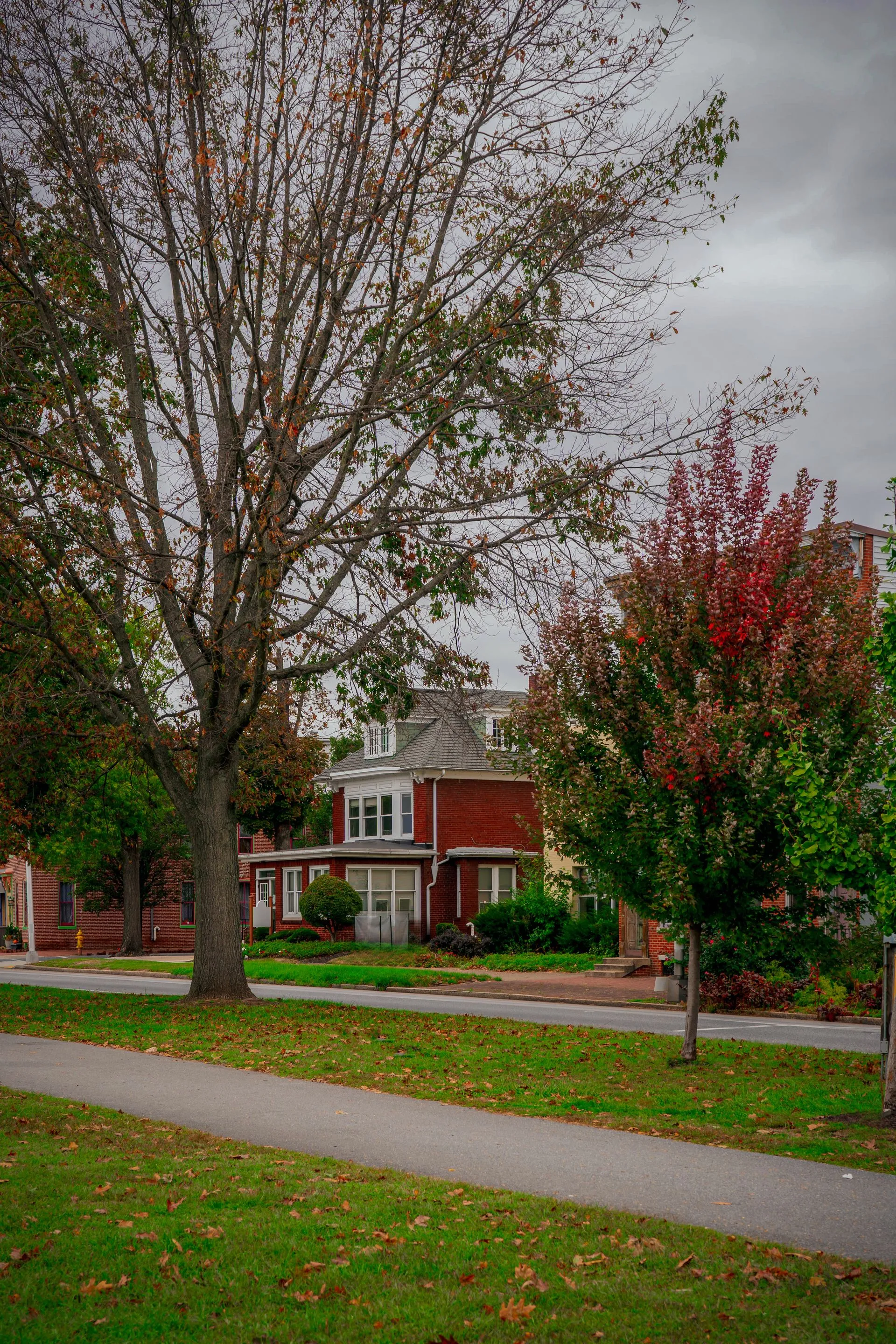
Active sub-slab depressurization for York homes
Radon Mitigation System · Sub-Slab Depressurization · Radon Vent Pipe Installation
Radon mitigation system installation in York, PA lowers radon by stopping it before it enters your living space. We core a suction point through the basement slab, create a pit in the soil below, and connect it to a sealed PVC pipe and an inline radon fan. The fan pulls radon from beneath the foundation and vents it above the roofline, and a post-mitigation radon test confirms the new level.
Free estimateStandards-based installationPost-mitigation test
4.0
pCi/L EPA action level
fix homes at or above this level
1 Day
Typical installation
for most York homes
14
Nearby communities
plus every York neighborhood
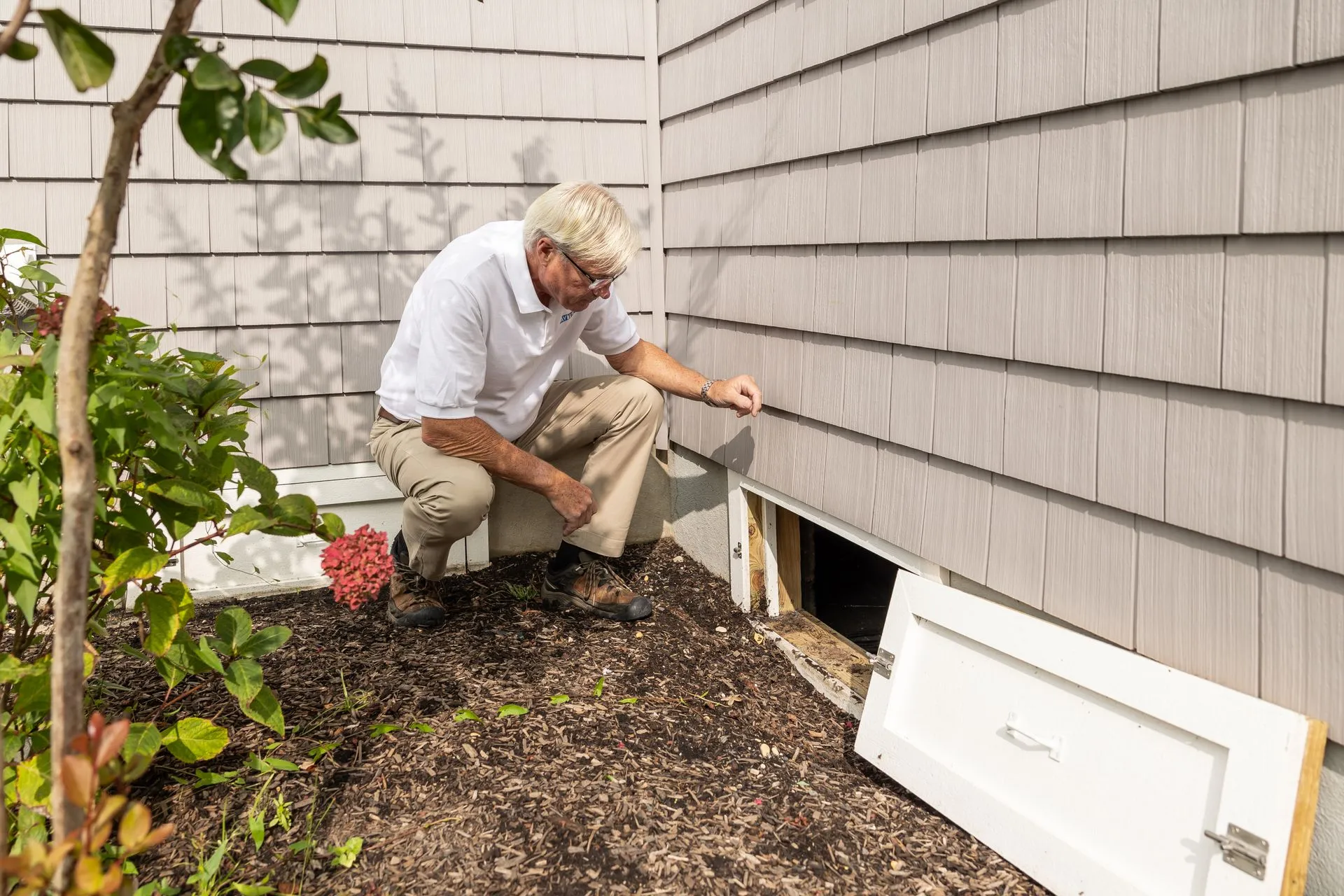
PA DEP certified radon mitigation
Who you are calling
No two foundations move soil gas the same way. A 1920s York city rowhome with a fieldstone basement, a 1970s split-level with block walls in Springettsbury, and a new build with a poured basement in Dover all need different suction points, fan sizes and pipe routes. That is why every radon mitigation system starts with a design visit, not a price off a sheet.
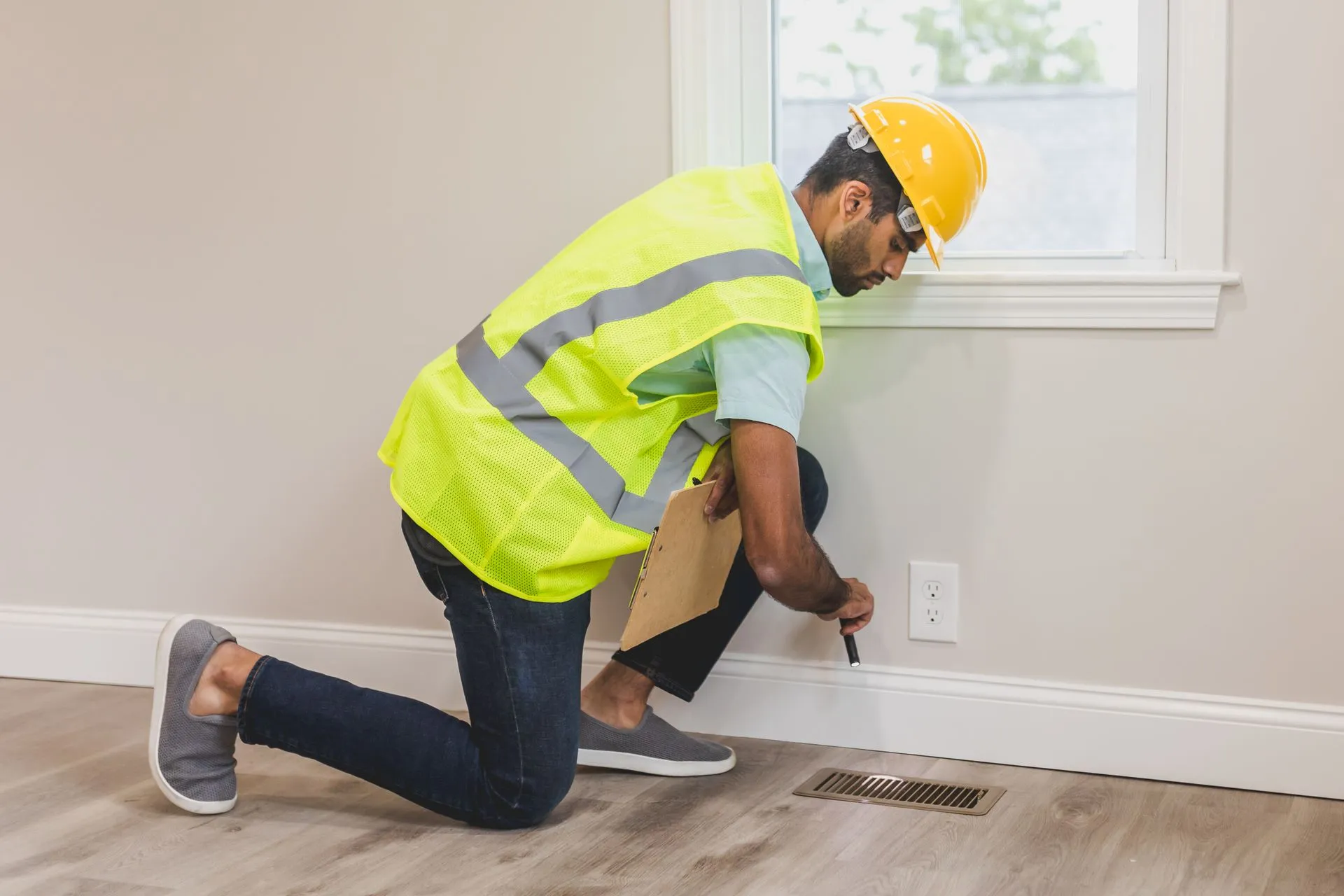
We check the slab, sump pit, drain tile and wall construction, then run a sub-slab communication test to see how far suction will reach under the floor. The results decide where the suction point goes, how many are needed, which radon fan will do the job quietly, and whether the pipe runs through the garage, a closet or up the exterior wall.
When to call
Radon cannot be seen or smelled, so the clues are in your test results, your system and your foundation. Note your latest radon number and when the test was taken.
 (717) 275-0074
 The EPA recommends fixing any home that tests at or above 4.0 pCi/L. A reliable short-term or long-term result at that level is the clearest reason to install a system.
The EPA suggests considering radon mitigation in this range, especially if family members spend a lot of time in the basement or lower level.
A high radon result during a York County home sale is common. A system installed before closing, followed by a post-mitigation test, keeps the transaction moving.
If your home has a capped radon pipe in the basement or attic but no fan, the system is passive and may not lower radon enough on its own.
The right method for the home
The EPA considers active soil depressurization the most effective way to reduce radon. We choose the version that fits your foundation.
The most common system for York basements and slab homes. A suction point below the slab creates a vacuum that draws radon away from the house.
Where a home has perimeter drain tile, sealing the sump pit and drawing suction through it can reach the entire foundation.
Heavy plastic sheeting sealed over a dirt or gravel crawl space floor, with suction below the membrane, keeps radon out of the home above.
For hollow block foundations with high radon inside the wall cores, suction can be applied to the wall along with the slab.
Large homes, additions and slabs with poor gravel below may need more than one suction point tied to the same fan.
Many newer York homes were built with a passive radon pipe. Adding a radon fan often lowers radon dramatically.
What you get
Every job includes all of the following. Nothing here is an extra added on once we are already at your home.
Suction points, fan model, pipe route, fan location, discharge point and price are agreed in writing before installation.
We core the slab, excavate a suction pit, seal the pipe connection and install a correctly sized radon fan outside the living space.
Accessible cracks, the sump lid and other openings are sealed, and the system is labeled with a U-tube manometer installed.
After the system runs for at least 24 hours, a radon test confirms the reduction and gives you documentation for your records.
How the job runs
Every Radon Mitigation System Installation York PA job follows a home-specific plan, from the first radon number to the verified result.
We confirm the radon result and test conditions so the system is designed around reliable numbers.
We inspect the foundation, run a sub-slab communication test and agree on the pipe route and price with you.
We core the suction point, run the PVC pipe, mount the radon fan, wire the disconnect, seal openings and label the system.
A post-mitigation radon test runs after at least 24 hours of operation, and we review the result with you.
RM York · Local radon specialists
Send us your radon test result and a few details about your foundation. We will schedule a design visit and give you a written price.
Upfront pricing
Typical ranges for complete, tested radon mitigation systems in York County homes.
$1,150+ single basement or slab
$1,600+ larger or divided foundations
$2,200+ combination foundations
Final price depends on foundation type, sub-slab communication, pipe route and electrical access, and is confirmed in writing before installation.
Health and household safety
A properly installed radon mitigation system runs quietly around the clock and is designed to keep radon out of your breathing zone.
Exhaust is discharged above the roofline and away from windows, doors and air intakes so radon does not re-enter the home.
Positive-pressure pipe sections stay outside the living space, so a leak cannot push radon into rooms you use.
The U-tube manometer shows at a glance that the fan is creating suction. An optional alarm can alert you to a problem.
Before, during, after
Most installations take one day. Coring the slab and cutting pipe makes some noise and dust for short periods, which we control with vacuums and drop cloths. We seal openings, wire the fan disconnect and clean up before we leave.
The fan runs continuously from day one. After at least 24 hours of operation, a post-mitigation radon test confirms the new level. We show you how to read the manometer and recommend retesting at least every two years.
Keep radon levels low
Radon systems need very little attention, but a few checks go a long way.
Look at the U-tube manometer monthly. Uneven liquid levels mean the fan is creating suction.
Never turn the radon fan off, and keep the electrical disconnect switch on at all times.
Reseal the sump lid after any sump pump service so the system keeps pulling from below the slab.
Retest your home every two years, and after renovations, additions or finishing the basement.
York, PA local insight
York County sits on Piedmont bedrock and soils that naturally release radon, and the county is in EPA Zone 1, the highest radon potential category. That does not mean every home is high, but it does mean high results are common enough that radon mitigation system installation is one of the most requested home safety upgrades in the area.
The foundation decides the system. Many York homes have poured or block basements with a sump pit and perimeter drain tile, which often lets one suction point reach the entire slab. Older city homes with fieldstone walls and uneven floors may need more sealing and careful fan sizing. Split-levels and homes with additions frequently combine a basement, a slab and a crawl space, and each area may need its own suction point or membrane.
Before we recommend a system, make sure your radon number is reliable. A professional radon testing visit gives you hourly data and documented conditions. If your home has a sump pit or a finished lower level, our basement radon mitigation page explains sump sealing and interior pipe options.
Already have a system that is not keeping radon low? A radon system repair visit or a radon fan replacement is often faster and less expensive than a new install. To see how the suction below your slab actually works, read how sub-slab radon mitigation works, or return to the RM York home page.
Independent guidance: review the EPA guide to the health risk of radon (opens in a new tab) and the Pennsylvania DEP Radon Division (opens in a new tab) . These resources complement your radon test results and the written scope for your home.
Local radon standards
We combine accurate radon data, a system designed for your foundation, clean installation and a follow-up test that proves the result.
Fan placement, discharge height, labeling and sealing follow Pennsylvania DEP requirements and ANSI/AARST mitigation standards.
We plan interior and exterior routes that work well, look tidy and respect finished spaces and curb appeal.
Every system is verified with a post-mitigation radon test, and guarantee terms are written into your agreement.
Where we work
RM York serves every York neighborhood plus Hanover, Red Lion, Dallastown, Dover, Shrewsbury, Spring Grove, Glen Rock, Manchester, New Freedom, Seven Valleys, Stewartstown, Windsor, Wrightsville, York Haven. Call with your address to confirm the next available appointment.
York ZIP codes served
RM York · Radon Mitigation System Installation
54 W Market St, York, PA 17401
Monday to Friday: 8:00 AM to 6:00 PM
Straight answers
Need help with a detail not covered here? Call (717) 275-0074.
 (717) 275-0074
 Most single-foundation York homes cost about $1,150 to $2,000 for a complete sub-slab radon mitigation system with a post-mitigation test. Multiple suction points, crawl space membranes and interior routes can raise the price.
The EPA reports that active soil depressurization systems can reduce radon levels by up to 99 percent. Most properly designed systems bring homes well below the 4.0 pCi/L action level, and a post-mitigation test confirms your result.
The radon fan is installed outside the living space, usually on the exterior wall, in the garage or in the attic. The pipe route is chosen during the design visit and agreed with you before installation.
A correctly sized and mounted radon fan produces a low hum that most homeowners rarely notice. Exterior and attic installations are typically the quietest inside the home.
Most residential radon fans draw roughly 20 to 150 watts depending on the model, which is similar to a light bulb or two running continuously.
A documented, tested radon mitigation system answers a common buyer question during inspections. Keep the post-mitigation test and system details with your home records.
Free estimate · Written quote
Lower your radon level with a custom sub-slab radon mitigation system, a quiet radon fan and a post-mitigation test that proves the result. Call now for a free estimate.