
Leaks and Cracked Pipe
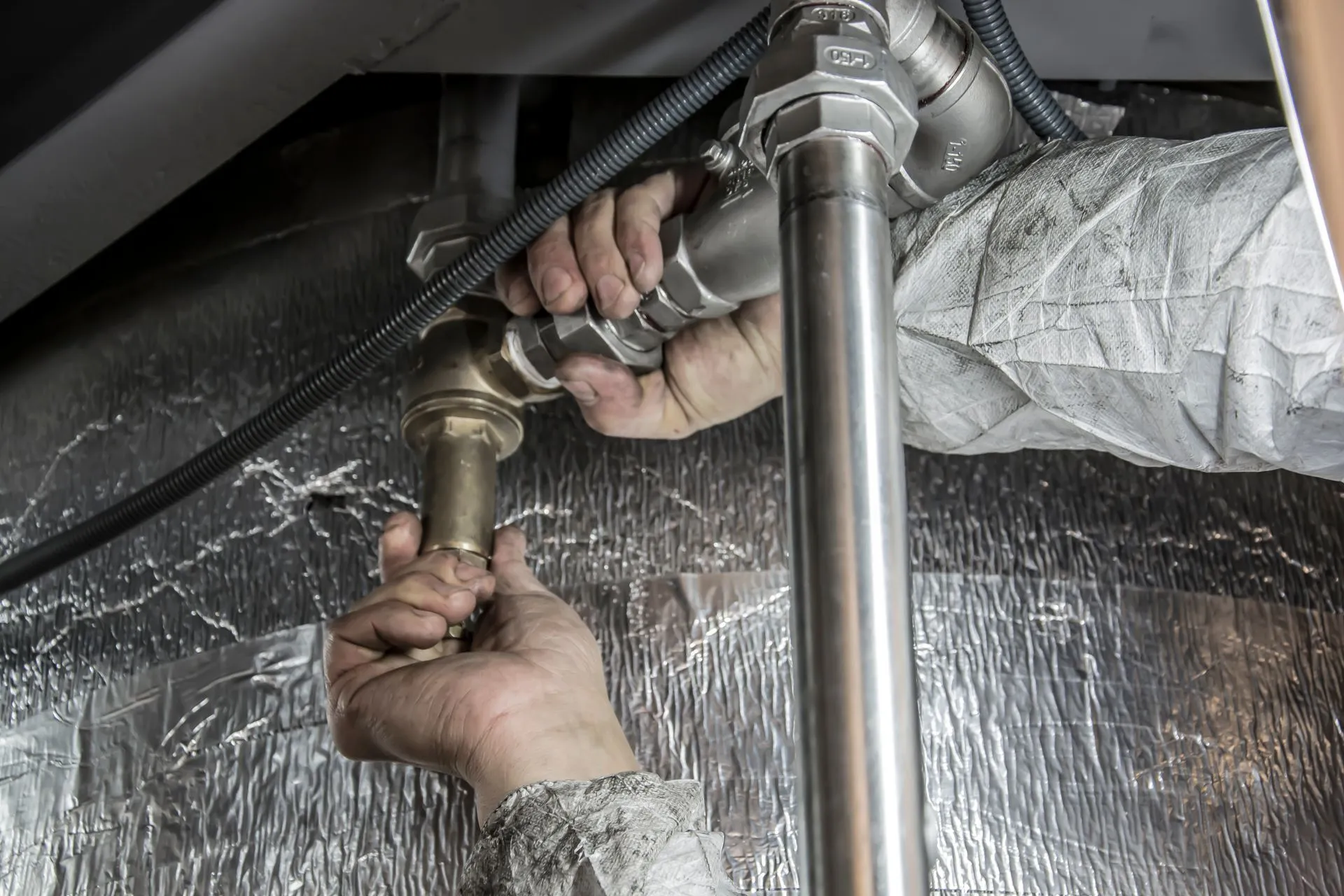
Split polyvinyl chloride (PVC) pipe, pulled joints and loose couplings let the fan draw from the wrong place, which starves suction under the slab.
Radon mitigation system service and repair
Radon Mitigation System Repair · Radon Alarm Going Off · High Radon After Mitigation
An existing system can look perfectly fine and still be failing you. Alarms chirp. Manometers sag. Pipe cracks behind a wall, or a plumber leaves the sump lid loose. Then the next test comes back higher than the one before it. A proper repair starts with diagnosing the whole run, from the suction point under the slab to the discharge above your roof, then fixing what is actually broken and confirming both the suction and the radon level. Radon Mitigation York is a PA DEP-certified firm, and our own crew does that work.
Free estimatePA DEP-certified mitigation firmPost-mitigation test
4.0
pCi/L EPA action level
fix homes at or above this level
1 Day
Typical installation
for most York homes
PA DEP certified radon mitigation
Who you are calling
These systems are simple machines, and that is exactly why small faults slip by. One loose coupling. A hairline crack in an attic pipe. A sump lid nobody resealed. Any of them lets the fan pull easy basement air instead of hard-won soil gas. The manometer may still show something. Your radon level climbs anyway.
So a good repair call is a diagnosis first. We check the fan, the gauge, the alarm and the power feed, walk the pipe looking for leaks and damage, and inspect the seals at the slab, sump and walls. Then all of it gets held up against your test history. You get a written list of what we found and what each fix costs before anyone picks up a tool.
PA DEP data
Radon fans typically last 5 to 10 years, so a system that has run that long is due for a check. If a retest comes back at 4.0 pCi/L or higher, or the manometer reads level, the system needs attention.
Source: Pennsylvania DEP, data.pa.gov. Retrieved October 21, 2026.
When to call
Radon cannot be seen or smelled, so the clues are in your test results, your system and your foundation. Note your latest radon number and when the test was taken.
 (717) 275-0074
A system alarm almost always means the pressure switch has stopped sensing suction. The fan may be dead, a pipe may be open, or the switch itself may have failed.
When a house with a working system still tests at or above 4.0 picocuries per liter (pCi/L), or 148 becquerels per cubic meter (Bq/m³), something is wrong with the suction, the sealing, or the original design.
Cracks, pulled joints, sagging runs, missing straps or a pipe knocked sideways during a remodel all cut performance.
Plumbers and pump swaps often leave the radon seal off. An open sump hands the fan easy basement air instead of soil gas.
The right method for the home
Nearly every failure falls into one of a few buckets. Each has a clear fix once somebody finds it.
Split polyvinyl chloride (PVC) pipe, pulled joints and loose couplings let the fan draw from the wrong place, which starves suction under the slab.
An unsealed sump lid, new slab cracks and gaps along the floor-wall joint all bleed off suction and let radon back in.
False alarms, dead pressure switches, cracked gauge tubing and gauges that went missing years ago get repaired or replaced.
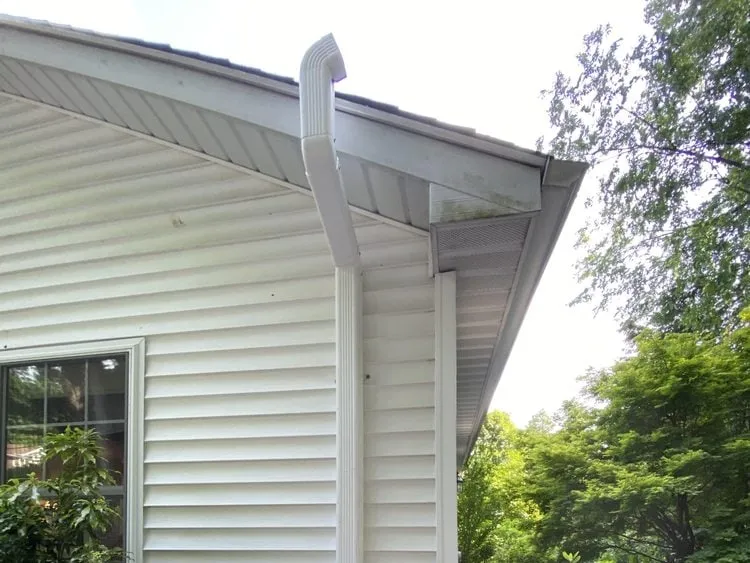
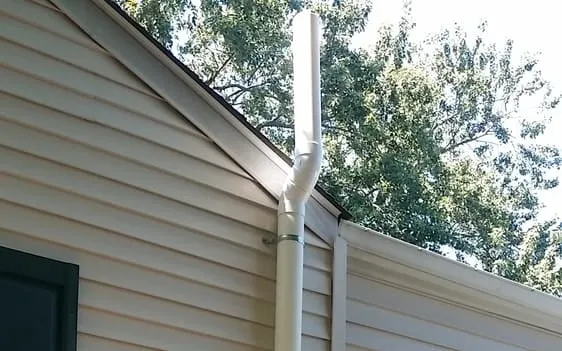
Exhaust that stops below the eave or sits too close to a window gets extended above the roofline to meet current standards.
Condensation or rain pooling in a low spot chokes airflow and shortens fan life. Correcting the slope and drainage fixes it.
When radon stayed high from day one, we measure how far suction actually reaches and add points or a stronger fan.
What you get
Every job includes all of the following. Nothing here is an extra added on once we are already at your home.
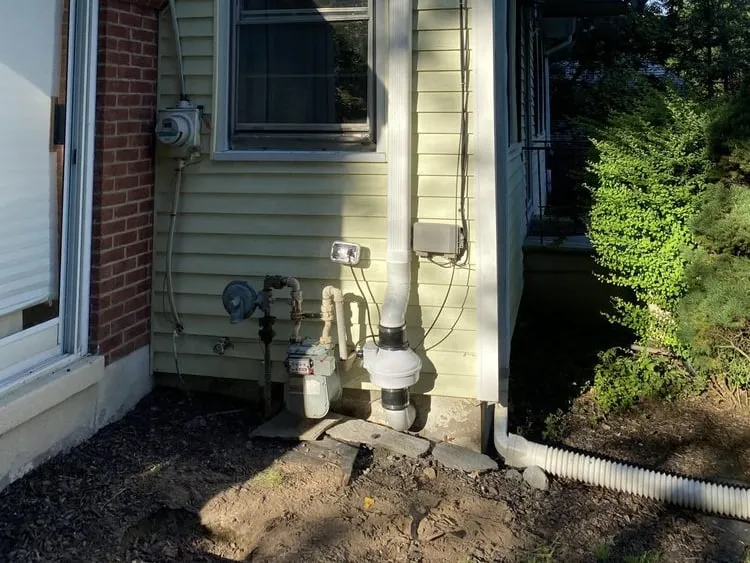
Fan, pipe, seals, sump, gauge, alarm, disconnect and discharge point, inspected from the slab to the roof.
Suction in the pipe gets measured, and leaks get tracked down at the joints, couplings, slab penetration and sump lid.
Approved work should use radon-rated materials and follow Pennsylvania Department of Environmental Protection (DEP) and ANSI/AARST requirements.
You should get a summary of what was found, what was fixed, and when to run a follow-up radon test.
How the job runs
Every repair visit follows a home-specific plan, from the first radon number to the verified result.
Send your ZIP, test results and what you are seeing. Our PA DEP-certified team reviews it and calls you.
We test suction, chase leaks, inspect the seals and the discharge, and confirm the fan and alarm both work.
Once you approve their written price, pipe, seals, alarms, discharge or fan faults get repaired to current standards.
Suction gets verified on the manometer, and a follow-up radon test documents the level.
Free estimates · PA DEP-certified radon mitigation firm
Tell us what you are seeing: an alarm, a flat gauge, visible damage, or a test result that went the wrong way. Our certified crew will call to set up a diagnostic visit.
Upfront pricing
Typical costs York homeowners see to diagnose and repair an existing radon system. We confirm your price in writing.
$150 typical inspection visit
$250+ the most common repairs
$600+ discharge, alarm or suction work
Ask us whether the diagnostic fee can be credited toward a repair done on the same visit when you get your quote. Fan replacement is usually priced on its own.
Health and household safety
A leaking or damaged system can look like it is working perfectly while your radon level quietly climbs.
A system with leaks may still move the gauge without pulling nearly enough from under the slab to hold you below the action level.
Cracks past the fan on an older, badly placed system can blow radon-rich air straight into an attic, a garage or a room.
Exhaust ending near a window, a door or a deck can pull radon back inside or dump it where your family sits outdoors.
Before, during, after
A diagnostic visit usually runs about an hour. Plenty of seal and pipe repairs get finished the same day once you approve the written price. The fan goes off briefly while the line is being worked on.
Suction gets confirmed on the manometer and we walk you through what was repaired. Then book a follow-up radon test so you hold a documented result showing the system is doing its job again.
Keep radon levels low
Most radon system repairs could have been caught with a thirty-second monthly look.
Read the manometer once a month and jot the number down, so a slow drift stands out.
Ask plumbers and sump pump installers to reseal the radon cover before they leave the house.
Protect exposed pipe in the garage and basement from getting hit during storage or a remodel.
Retest every two years, and after any foundation, plumbing or basement finishing work.
York, PA local insight
Radon mitigation has been routine in York County for decades, which means a lot of houses here came with a system already attached. Some were installed by previous owners, some by companies that closed years ago, some by the builder. A fair number were never fully sealed, or discharge lower than today’s standards allow. Others got bumped, cut or disconnected during a basement renovation somewhere along the way.
The county sits in Environmental Protection Agency (EPA) Zone 1, the highest radon potential category on the EPA map of radon zones (opens in a new tab), which is what makes a working system matter so much. A system that has quietly lost its pull lets the level climb back toward the original number. There is no obvious sign at all until somebody runs a test. That is precisely why the EPA Consumer’s Guide to Radon Reduction (opens in a new tab) recommends retesting a mitigated home at least every two years.
If the diagnosis lands on the fan itself, radon fan replacement is usually a quick and inexpensive fix. Houses with open sump pits, new floor cracks or finished lower levels tend to need the sealing methods covered on the basement radon mitigation page. And when the original design was never built to reach your whole foundation, we may recommend an upgrade modeled on a fresh radon system installation.
Once the repairs are finished, book radon testing to document where you ended up. Curious why two houses on the same street can test so differently? Read the guide to radon levels in York County. Or head back to radon mitigation in York to book a free estimate with our certified crew.
Local radon standards
We combine accurate radon data, a system designed for your foundation, clean installation and a follow-up test that proves the result.
Repairing a radon system is mitigation work under 25 Pa. Code § 240. We are a PA DEP-certified mitigation firm, and our own crew does the repair.
Sub-slab, sump-based, crawl space membrane and block wall systems, built by all kinds of installers over the years, can be repaired.
We price both options on paper when an upgrade might be the better spend than a repair.
Where we work
We cover York and its bordering neighborhoods: West York, North York, East York, Valley View, Grantley. Call with your address to confirm the next available appointment.
York ZIP codes served
Radon Mitigation York
805 E Prospect St, York, PA 17403
Mon to Fri: 8:00 AM to 6:00 PM · Saturday: 9:00 AM to 2:00 PM
Straight answers
Need help with a detail not covered here? Call (717) 275-0074.
 (717) 275-0074
Most alarms sound when the pressure switch stops sensing suction. The usual causes are a failed fan, a tripped breaker or switched-off disconnect, a pipe that came apart, or an alarm that has simply worn out. A diagnostic visit from our certified crew sorts out which.
Leaks in the pipe, an unsealed sump lid, fresh slab cracks, a fan that is too weak, or suction that never reached far enough under the slab can all leave you above 4.0 pCi/L. Every one of those can be found and corrected.
Every system settles at its own number, so there is no single right answer. What matters is that the liquid stays uneven and the reading holds steady. Write it down after installation, and get the system checked if it goes flat or shifts noticeably.
Yes. Our certified crew diagnoses and repairs radon systems in York regardless of who installed them or how many owners ago that was.
Most systems only need targeted repairs and run fine for years afterward. When the original design simply cannot reach enough of your foundation, we give you a written comparison of repairing versus upgrading.
Free estimate · Written quote
Alarms, leaks, damaged pipe and disappointing retests all have clear fixes. Send us your ZIP and what you are seeing, and our PA DEP-certified crew will call with a free quote.
Data retrieved October 21, 2026. Links, dates and methods for every source are on our sources and resources page.